
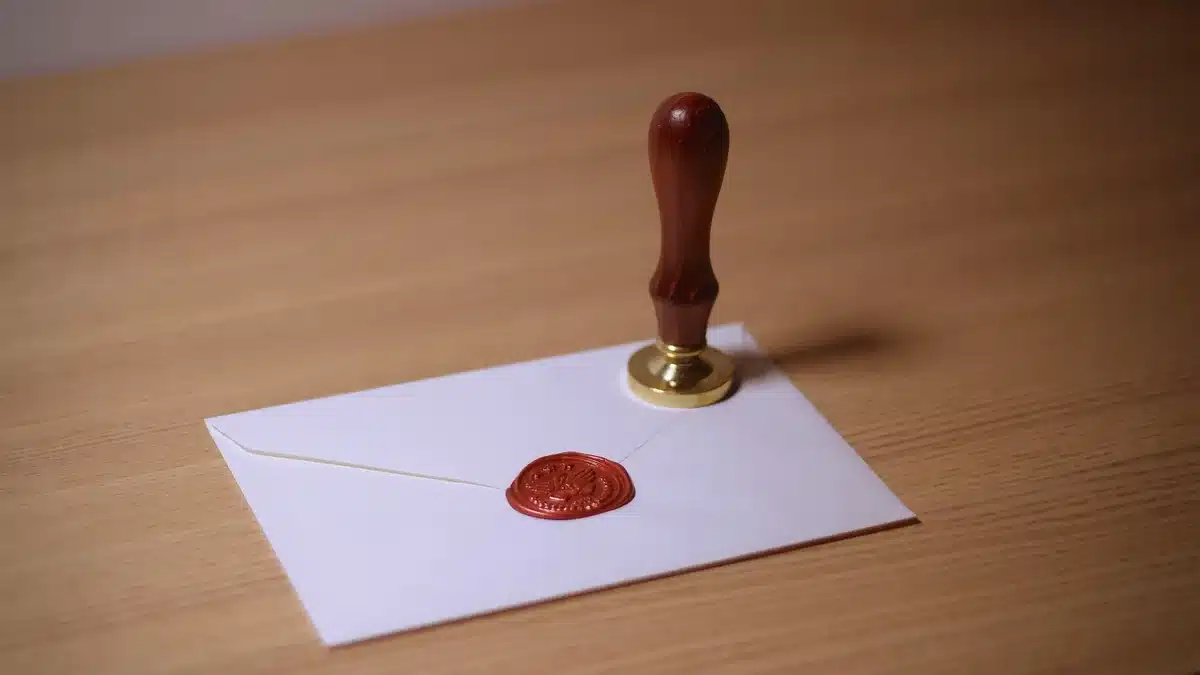
The Hague Apostille is a procedure that certifies the formal authenticity of certain public documents so they can be presented in another State where the 1961 Hague Convention applies. It certifies the authenticity of the signature, the capacity in which the signatory acted and, where applicable, the identity of the seal or stamp. It does not certify the content of the document. It must be issued by a competent authority of the State the public document comes from.
Not every foreign document needs an Apostille. There are conventions and rules that remove the requirement in certain cases and, within the European Union, some public documents are exempt under Regulation (EU) 2016/1191. Since Brexit, those EU exemptions no longer apply to UK documents.
Of everything that travels alongside a sworn translation, this is the step that raises the most questions. Let’s settle it: what it certifies, when you need it, where to get it and in which order it goes with the translation.
What the Hague Apostille certifies
The Apostille simplifies the international circulation of public documents between the States where the Hague Convention of 5 October 1961 applies.
Its role is to certify the authenticity of the signature, the capacity in which the signatory acted and, where applicable, the identity of the seal or stamp on the document. The Apostille does not certify that the content is correct, nor does it determine the legal effects the document will have in the destination country.
Where applicable, it replaces the ordinary diplomatic legalisation procedure as the means of certifying the document’s formal authenticity.
When you need to apostille a document
A public document may need an Apostille when it was issued in a State where the Hague Convention applies and must be presented in another State where it also applies — the standard situation for UK, US, Canadian or Australian documents heading to Spain.
Among the documents that, depending on the country and procedure, may need an Apostille are birth, marriage and death certificates, criminal record certificates, degrees and academic certificates, notarial documents, certain court documents and other public documents.
Belonging to the Hague Convention does not mean every document must always be apostilled. Other international, European or bilateral rules may remove the requirement. So before requesting an Apostille, check what the body you will present the document to actually requires.
Documents exempt from Apostille within the European Union
Regulation (EU) 2016/1191 facilitates the circulation of certain public documents between EU Member States. Documents within its scope are exempt from legalisation and Apostille when presented in another Member State.
The Regulation covers certain documents relating, among other matters, to birth, death, name, marriage, divorce, legal separation and marriage annulment, parenthood, adoption, domicile or residence, nationality and absence of a criminal record.
This does not mean that any document issued in the EU is exempt. The exemption must be provided for in the Regulation or derive from another applicable rule or convention. And, worth repeating for readers with British paperwork: the UK is no longer a Member State, so these exemptions do not cover UK documents.
How and where to request the Apostille
The Apostille must be requested from a competent authority of the State the public document comes from. Each country determines which authorities may issue it and what the procedure is. Depending on the State, it may be handled in person, electronically or through other procedures set by its authorities. For UK documents this is the Foreign, Commonwealth and Development Office; for US documents, the Secretary of State of the issuing state or the US Department of State for federal documents.
Apostilling Spanish documents. In Spain, the competent authority depends on the type of document. There are different competent authorities for judicial, administrative and notarial documents, so before starting it is advisable to consult the Ministry of Justice’s information for the specific document. Spain also has electronic procedures for certain documents and an Electronic Register of Apostilles that allows the authenticity and integrity of electronically issued Apostilles to be verified.
The electronic Apostille, also known as e-Apostille, is the electronic version of the Apostille. In Spain, the Ministry of Justice provides electronic services for requesting and downloading it, plus tools to consult the Electronic Register of Apostilles, verify the document’s integrity and validate the electronic signature. The available procedure depends on the type of document to be apostilled.
Validity of the Apostille
The Apostille does not itself set a new period of validity for the document it accompanies.
It is important to distinguish the Apostille from the validity of the document itself. The receiving body may require, for instance, that a certificate has been issued within a certain period before it is presented. So before requesting a certificate, apostilling it and translating it, check whether the procedure sets any requirement regarding the document’s date of issue.
Apostille and sworn translation: the order
When a document needs both an Apostille and a sworn translation, the order matters. If the original must be apostilled or legalised for your procedure, it is advisable to complete that step first and order the translation of the complete document afterwards. That way the sworn translation can also include the content of the Apostille or of any legalisations accompanying the document.
Document → Apostille or legalisation, where applicable → translation of the whole.
If the document is exempt from Apostille or legalisation, the translation can be prepared in line with the requirements of the relevant procedure. We walked through a concrete case in our birth certificate guide.
Frequently asked questions
Can I get a foreign document apostilled in Spain?
The Apostille for a foreign public document must be obtained from a competent authority of the State the document comes from. The specific procedure depends on each country, so check the instructions of its competent authorities — the FCDO for the UK, the relevant Secretary of State for the US.
Does a sworn translation done in Spain need to be legalised?
Translations by sworn translator-interpreters recognised by the Spanish Ministry of Foreign Affairs, European Union and Cooperation are official and fully valid in Spain in themselves, with no need for subsequent legalisation by the Ministry’s Legalisation Service. If the original document needs an Apostille or legalisation, complete that step before translating so the translation can include those elements too.
What if my country is not in the Hague Convention?
If the Apostille Convention does not apply and no other rule or convention removes the need for legalisation, the document may need legalisation through diplomatic channels. The procedure depends on the country of origin and the type of document, so the relevant legalisation chain should be checked before starting.
Are all EU documents exempt from Apostille?
No. Regulation (EU) 2016/1191 removes the Apostille for certain public documents within its scope when they circulate between Member States. For other documents you will need to check whether another rule or convention removes legalisation or whether some authentication step is needed.
Does the electronic Apostille exist?
Yes. Electronic Apostille or e-Apostille systems exist. In Spain, the Ministry of Justice provides services relating to the electronic Apostille and allows the Electronic Register of Apostilles to be consulted and certain data of issued Apostilles to be verified electronically.
This guide is for information only. Apostille, legalisation and document-filing requirements may vary depending on the country, the type of document and the receiving body.